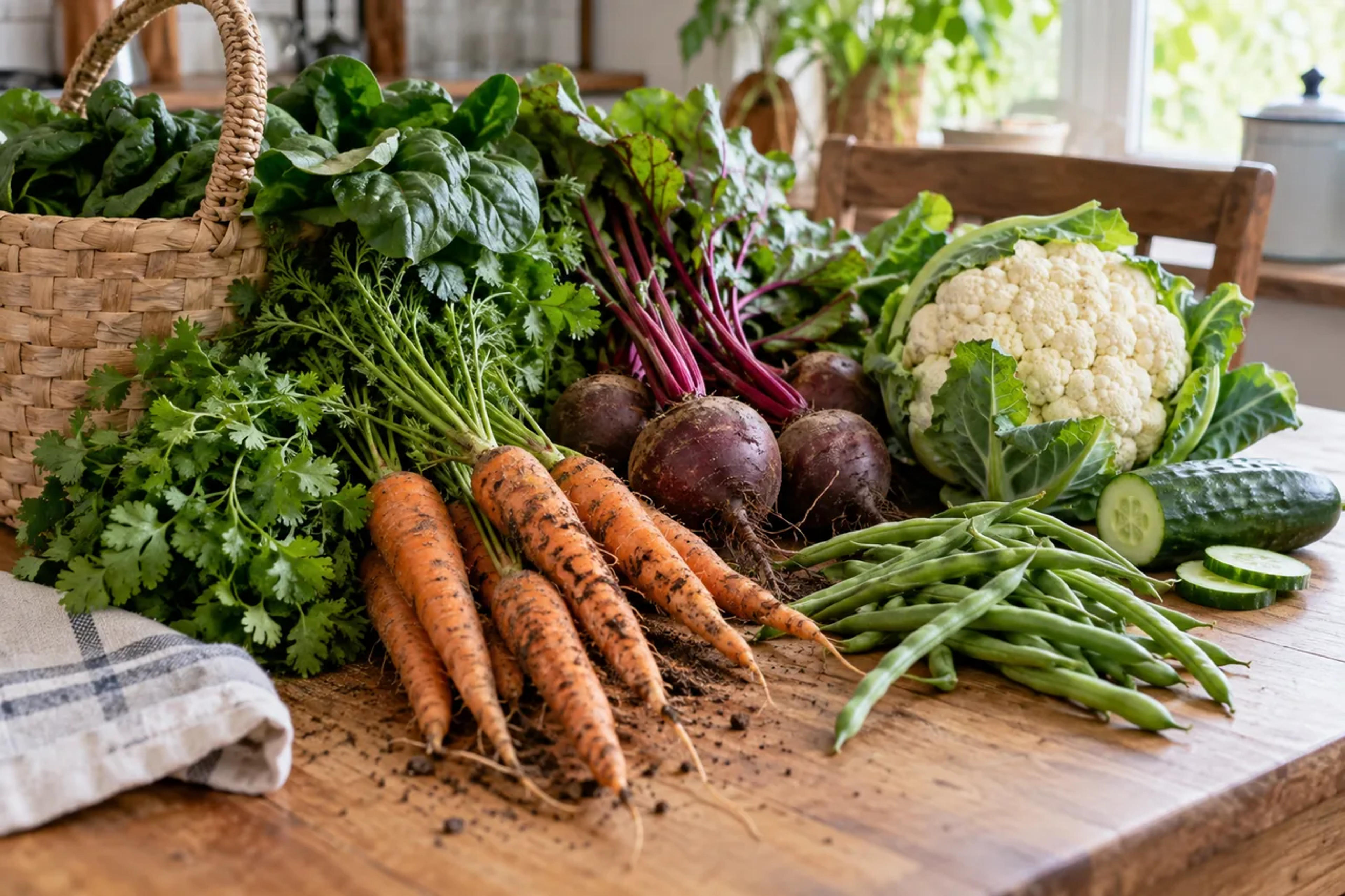
Dinner is still a few hours away, but you’ve already chopped the vegetables. Then someone sends you a message saying they’ve lost all their nutrition. Familiar sort of worry? Let’s look at what actually changes after picking and cutting, and the few things worth paying attention to in your kitchen.
Picking is the beginning of another set of changes
A picked vegetable is still living plant tissue, and it continues to respire. Cutting damages cells and exposes more surface to air. That can speed up moisture loss, browning and softening, which helps explain why sliced produce often keeps for less time than the whole vegetable.
Nutrients don’t all behave in the same way. Vitamin C, for example, can decline during processing and storage, but the amount depends on the vegetable and how it’s handled. There isn’t one countdown that applies to everything in your fridge.
Think about the difference between an intact carrot and a bowl of chopped greens. The crop, the cut surfaces, the storage conditions and the time all matter. A claim that every vegetable loses all its nutrition after a fixed number of hours leaves out most of that picture.
Make the kitchen routine manageable
Buy an amount you’re likely to use. Wash produce with safe water, use a clean knife and board, and cut close to cooking or eating when practical. If you’re preparing ahead, keep cut produce covered in the fridge.
For the safety details, follow the FDA guidance linked below: refrigerate pre-cut produce and keep produce that needs refrigeration at 4°C (40°F) or below. Perishable cut produce shouldn’t sit at room temperature for more than two hours, or one hour when it’s above 32°C (90°F).
A little planning helps here. Decide what you’re cooking, take out what you need and put the rest back promptly. You don’t need to hover over a stopwatch to build a sensible routine.

Knowing when it was picked can help you plan
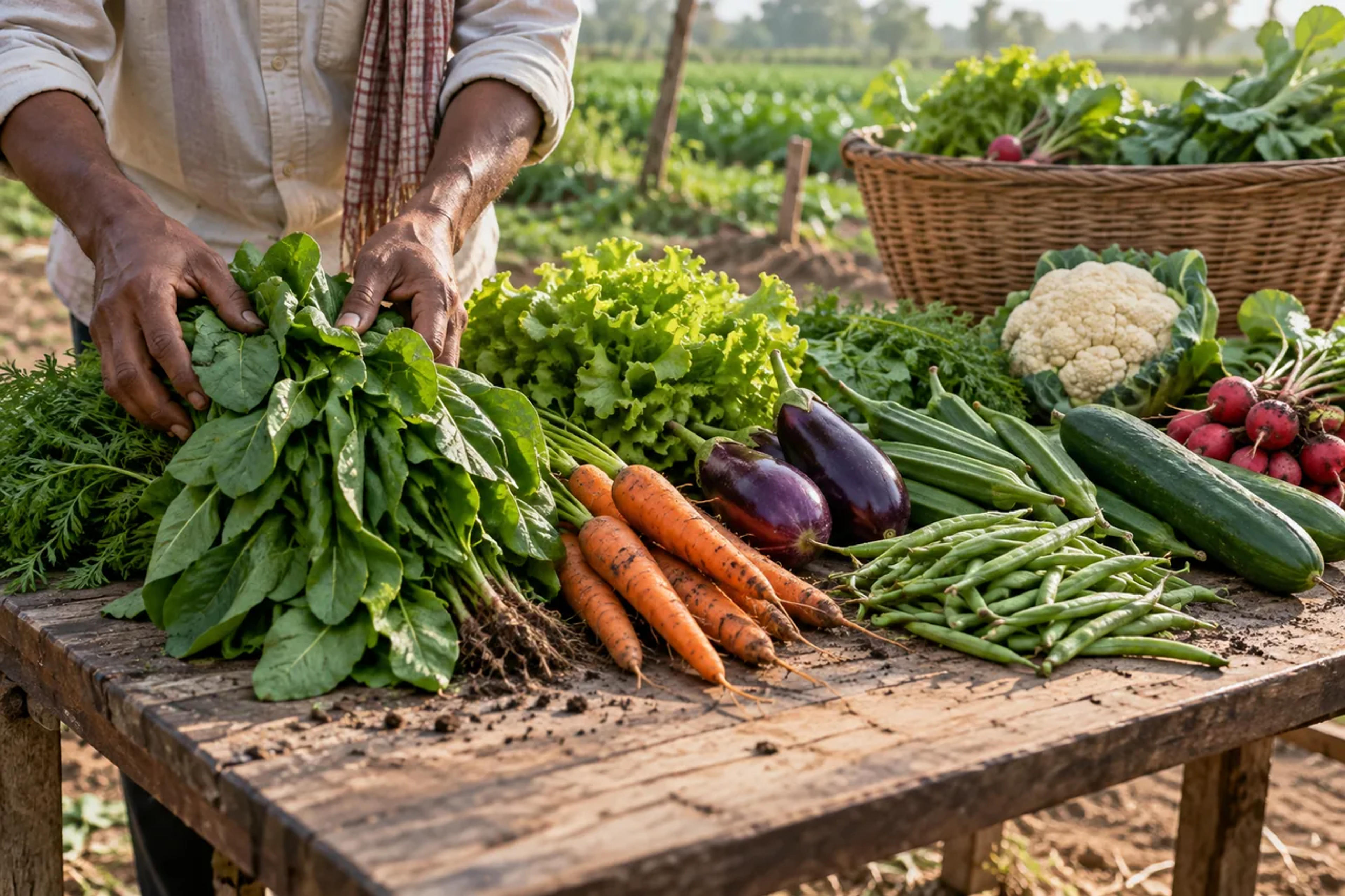
Imagine receiving vegetables with a clear harvest date. You can decide what to cook first and keep track of what’s waiting in the fridge. That’s useful information to ask a grower or delivery service for.
At Kyari, we want you to be able to follow what’s growing and understand the harvest when it’s ready. We’re still working out those arrangements. Wherever your vegetables come from, careful packing, transport and storage remain part of keeping them in good condition.