What if picking vegetables didn’t have to mean choosing between a balcony pot and a bag at the shop? Around Delhi NCR, a farm bed can be another option: a growing space at a nearby farm that you can visit, while growers help care for the plants. It won’t replace the people who grow our food, and one family’s bed won’t feed a city. But it can make the journey from soil to supper easier to see.
Food can feel a little less far away
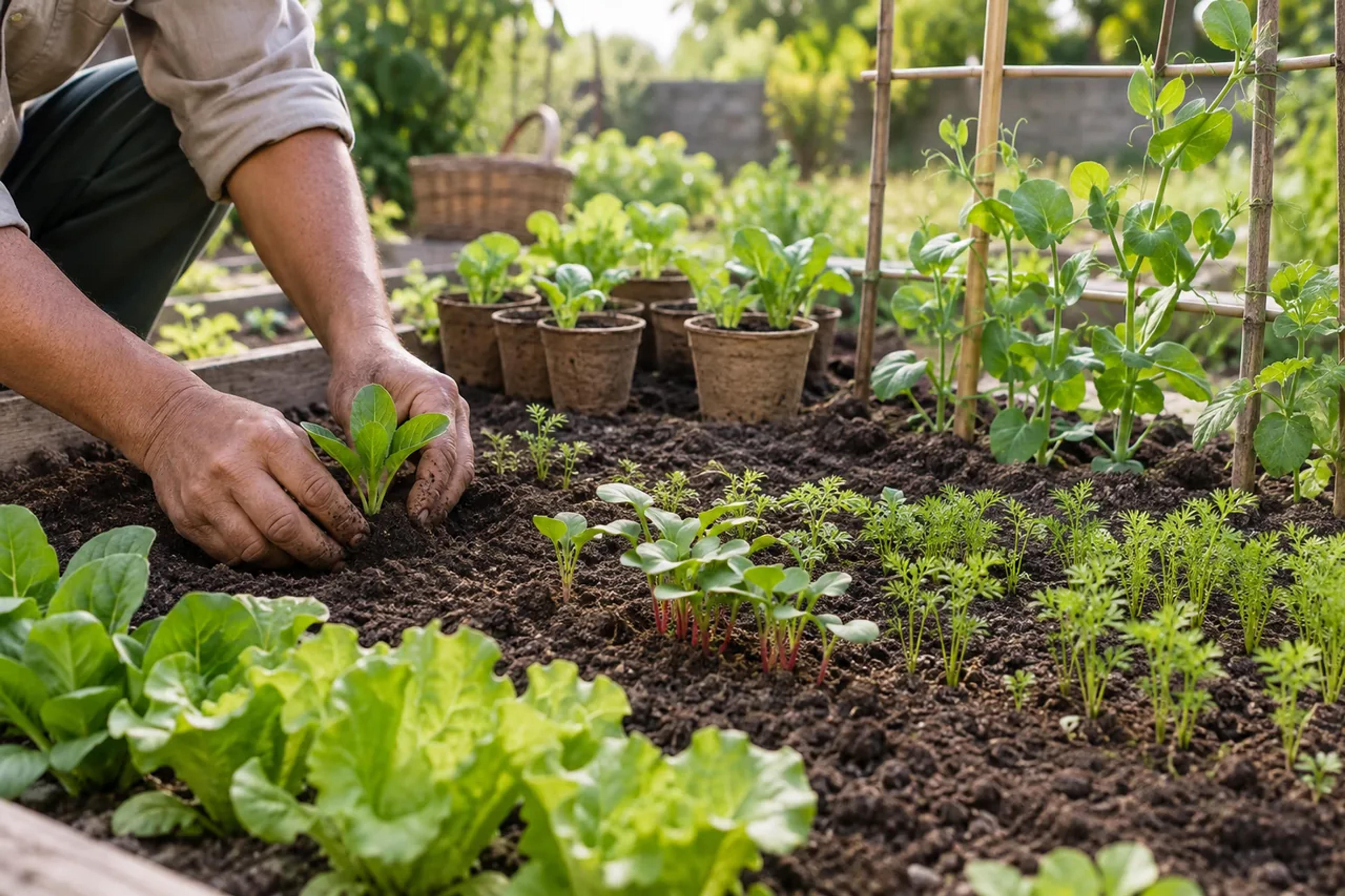
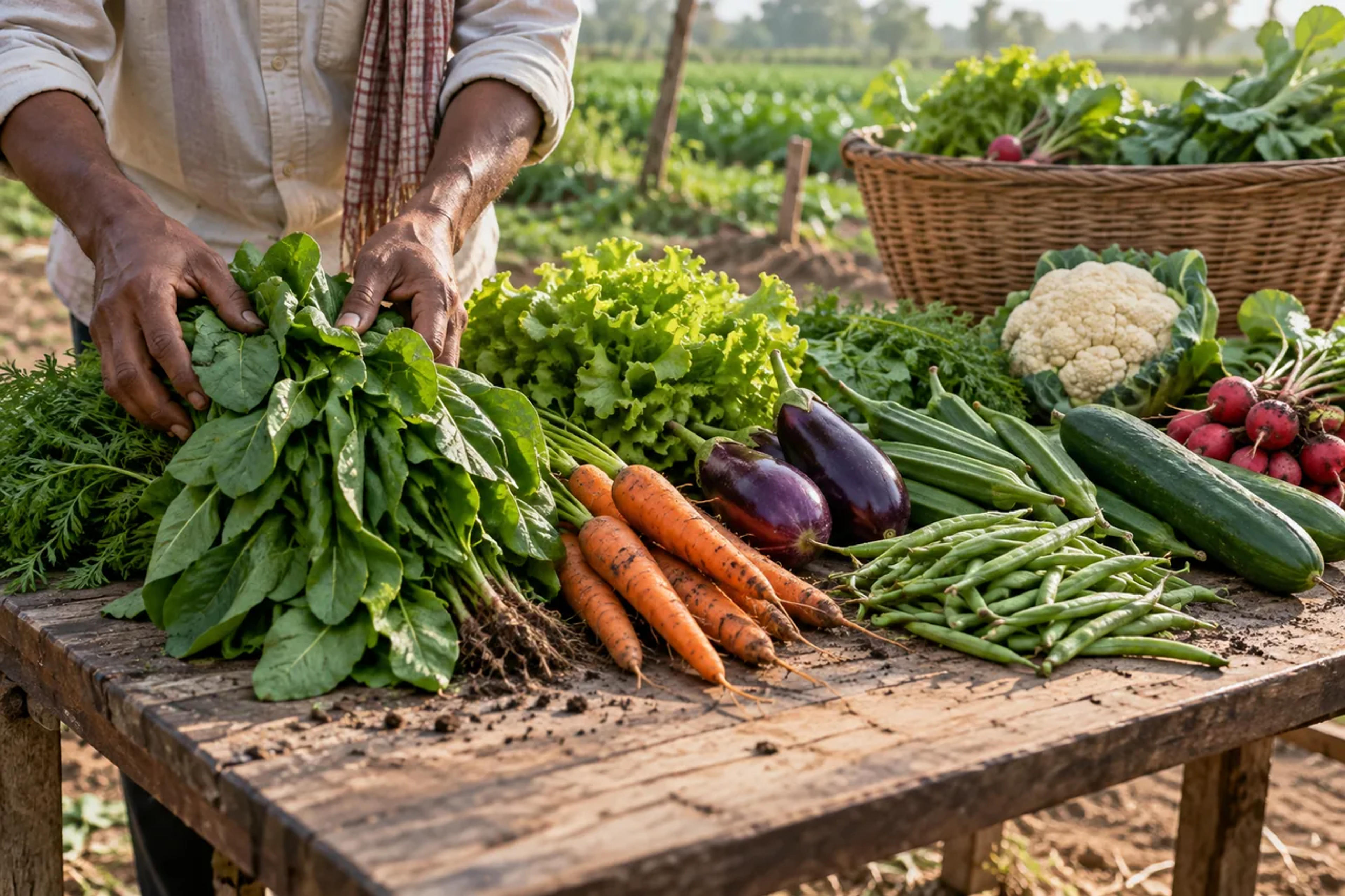
Most of us meet a vegetable at the shop or in the kitchen. We may not know who planted it, what the growing season was like or how it was looked after. With a farm bed, you can follow a crop through the season: first leaves, changing weather, a visit from the grower, then the day it’s ready to pick.
That connection is part of why people are interested in urban and peri-urban farming. The Indian Institute for Human Settlements has described growing food around cities as one way to strengthen relationships with nature and support urban well-being. That’s a useful direction to explore, not a promise that a small farm can solve a city’s food supply on its own.
A farm bed sits between a balcony and a weekly box
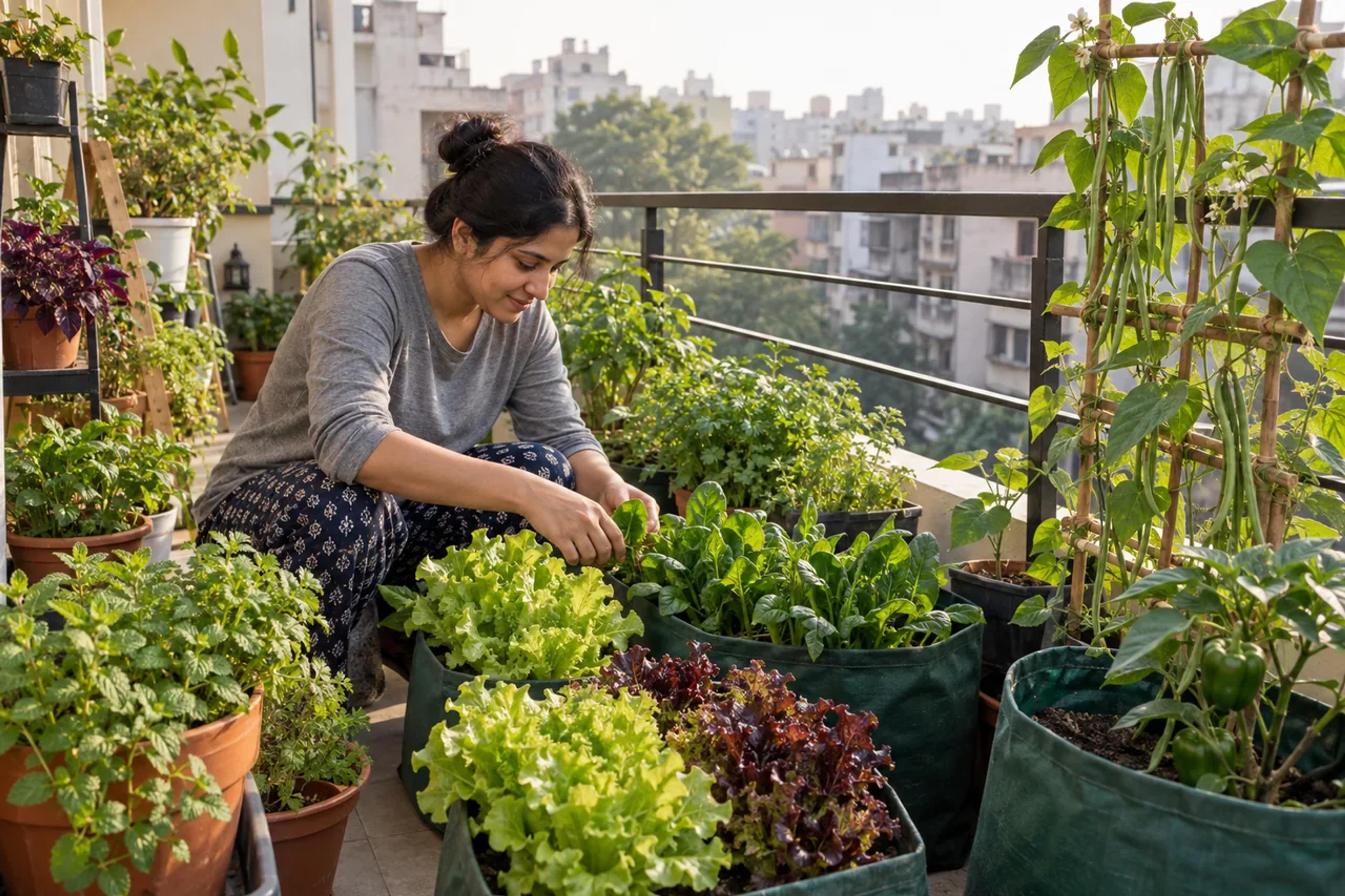
A balcony garden gives you the most day-to-day involvement, but you need suitable light, pots, soil and time to care for it. A vegetable subscription is convenient when you mainly want produce delivered. A managed farm bed is somewhere between: you can choose crops and follow a growing space, while a grower does the regular tending.
The details vary from one farm to another. Some let you visit often; others share updates or bring the harvest to you. Before joining, ask who chooses the crops, who does the work, how harvests are shared and what happens if weather or pests affect a crop. The name of the plan won’t answer those questions for you.
Swipe the table sideways to read all columns →
| Option | You bring | Ask about |
|---|---|---|
| Balcony garden | Space, time and daily care | Sunlight, setup and help while away |
| Vegetable subscription | A recurring order | Basket size, delivery and crop substitutions |
| Managed farm bed | Crop choices and interest in the process | Grower care, visits, updates and harvest terms |

Keep the expectations down to earth
A bed won’t guarantee a certain harvest every week. Plants respond to heat, rain, pests and disease. A thoughtful plan should explain what happens if a crop is delayed or gives less than expected. And growing close to a city doesn’t automatically mean fewer food miles or a lighter environmental footprint; you’d need real information about transport, water, energy and growing practices to make that comparison.
It also shouldn’t be sold as a shortcut around farmers. Growers’ knowledge and labour are what make a managed bed possible. The more useful question is whether a household can build a better relationship with the growing process, while paying fairly for the work and being clear about what the service includes.
What we’re imagining at Kyari
We’re preparing managed vegetable beds for families in Gurgaon and South Delhi. The idea is simple: choose from crops suited to the season, let our growers look after the bed, and follow along as the plants change. We’re planning regular care, monitoring to help the team notice changes, and updates through the Kyari app.
The first beds are still getting ready. The exact location, plot sizes, prices, visit arrangements and harvest details are not final yet. We plan to use organic growing practices, but we’re not claiming organic certification. We’ll share the practical details so you can decide whether this kind of growing fits your life.
A small place to begin
The future of food isn’t one new invention or one perfect way to shop. It’s also made up of ordinary choices: knowing who grew something, giving growers room to explain their work, and making more space for people to learn where a meal begins.
A farm bed won’t suit everyone. But if you’ve ever wondered what your vegetables looked like before they reached the kitchen, it could be a lovely place to start asking.